Elbows Off the Table: A US Player's Field Guide to European Live Dealer Etiquette
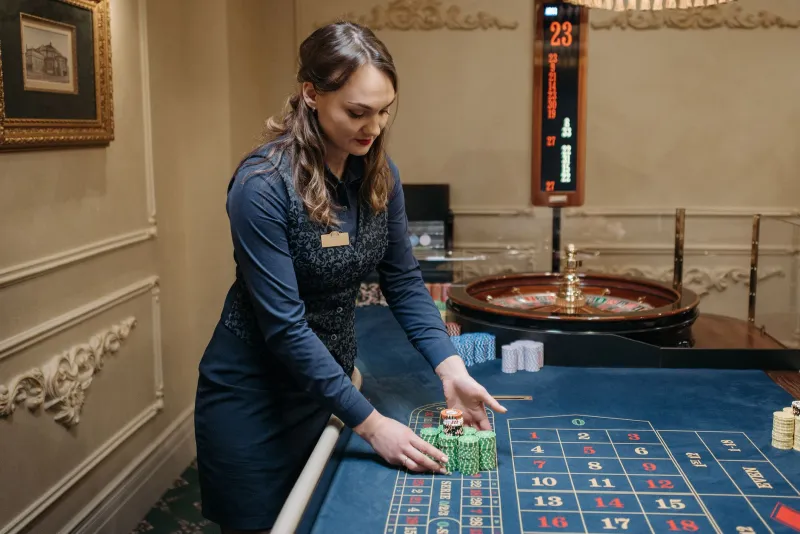
Walk into a casino in Las Vegas and the room tells you what to do: the noise, the crowd, the dealer's patter, the guy two stools down explaining your blackjack hand to you uninvited. Walk into a European live dealer table online and the vibe flips. It is quieter, slower, and oddly formal in places. Nobody is going to hand you a rulebook, so here it is.
None of this is about being polite for politeness's sake. Table etiquette is mostly a set of built-in pauses, and pauses are where good decisions live.
1. The Pace Is a Waltz, Not a Sprint
American casino culture rewards speed. Faster hands, faster shuffle, faster drinks. European live tables tend to move at a more deliberate tempo, and the software timer is your friend here.
Use it. Place your bet early in the window rather than slamming the button at the last half-second. The player who bets in the final instant every single round is not getting an edge — they are training themselves to decide under pressure, which is the exact habit you want to unlearn.
2. The Chat Room Is Not a Sports Bar
Live dealer chat in the US-facing rooms can get loud fast. European tables are usually chattier in a smaller-talk way: a greeting, a comment about the weather, a thank-you at the end.
A few ground rules that hold everywhere:
- Say hello when you sit down. It costs nothing.
- Skip the all-caps. Skip the repeated messages. Skip the emoji wall.
- Do not narrate your bad beats at length. Nobody is grading your sob story.
- Do not ask the dealer personal questions. They are at work.
- Never announce stakes you cannot comfortably afford, even as a joke.
3. Tipping: Small, Occasional, Never a Performance
European tipping culture is different from American tipping culture in general, and the live dealer table reflects it. Modest amounts, given occasionally, usually through the tip button rather than as a running commentary.
A dollar or two after a good run is plenty. Announcing the tip in chat is not. Treat it as a thank-you, not a flex — and remember that tipping has zero effect on outcomes. The wheel does not know.
4. Talk to the Dealer Like a Person, Not a Vending Machine
You will get further with a short, friendly exchange than with demands. Dealers cannot change results, speed up a bad streak, or influence which card comes next. Asking them to is the fastest way to sound like a tourist.
A simple rule: if you would not say it to a bartender who is clearly busy, do not type it.
5. Learn the House Courtesies
A handful of small mechanics make you look like you have been there before:
- Hand signals. In blackjack, tap the table for a hit and wave a flat hand for a stand. Verbal calls are usually fine online, but the gestures keep things clear on camera.
- Chip stacking. Keep your stack tidy. Dealers read tidy stacks faster, and faster reads mean fewer disputes.
- Cash-in timing. Get your chips on the table before the no-more-bets call. Late money is a universal annoyance.
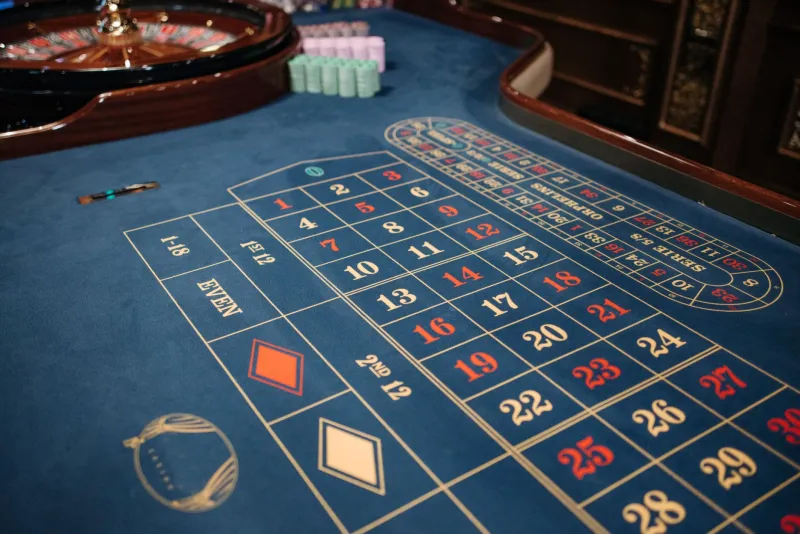
- Announced bets. European roulette uses a single-zero wheel and supports call bets like voisins, orphelins, and tiers — most live tables give you a racetrack button for them. It is a genuinely fun piece of old-world furniture that American double-zero players rarely encounter.
- The squeeze. In baccarat, peeling the cards slowly is a tradition, not a delay tactic. Online it is usually a button. Enjoy it, but do not stretch it out for the room.
6. Do Not Coach, Do Not Heckle, Do Not Second-Guess
Backseat-driving another player's blackjack decision is a distinctly American table habit, and it travels badly. Their money, their hand, their call — even when the call is objectively strange by basic strategy charts.
Same goes for blaming the dealer. The dealer did not deal you that card any more than the shuffle machine has a grudge.
7. The Etiquette Payoff: Slower Decisions, Better Ones
Here is the part that is not really about manners at all. Every courtesy above adds a beat of delay: placing bets early, greeting instead of demanding, watching the timer rather than racing it, not reacting instantly to a bad hand in chat.
Those beats add up. A player who pauses before increasing a bet after three losses is a player who is not chasing. A player who does not fire off a max bet in the final half-second is a player making a decision rather than a reflex.
Etiquette, in other words, is bankroll management wearing a nicer jacket.
The Short Version
Say hello. Bet early. Keep chat light. Tip small and quietly. Use the hand signals. Do not coach strangers. Let the squeeze breathe. And treat the timer as a moment to think rather than a starting gun.
Do that and the table gets smoother — and your decisions get slower, which is usually the same thing.