The Numbers Don't Lie: How European RTP Standards Put More Money Back in Your Pocket
Here's something most casino players in the US never stop to think about: not all slot machines — or table games, or video poker variants — are built equal. Two games that look almost identical on the surface can have wildly different mathematical engines running underneath. And that engine, more than anything else, determines how much of your money actually comes back to you over time.
At Pelikan Casino, the game library leans heavily on European-developed titles. That's not just a branding choice. It has real, measurable consequences for your wallet.
What RTP Actually Means (And Why Most Players Ignore It)
RTP stands for Return to Player. It's a percentage that tells you how much of every dollar wagered on a game is theoretically paid back to players over a massive number of spins or hands. A game with a 96% RTP, for example, is mathematically designed to return $96 for every $100 put into it — over the long haul.
The catch? Most American players either don't know this number exists or don't know where to find it. Land-based casinos in states like Nevada or New Jersey aren't required to publish per-game RTP data. You can walk up to a slot machine in Las Vegas and have absolutely no idea whether it's set to return 85% or 95%. That's a 10-percentage-point gap that compounds into serious money if you play regularly.
European markets operate differently. Regulators in jurisdictions like Malta, Gibraltar, and the UK require game developers to publish certified RTP figures. Players can look them up. Developers compete on those numbers. The result is a market that structurally rewards higher payback percentages.
The European Developer Advantage
When you browse the Pelikan Casino lobby, you're largely looking at games built by studios that grew up in that European regulatory environment — names like NetEnt, Play'n GO, Pragmatic Play, and Yggdrasil. These developers built their reputations in markets where RTP transparency wasn't optional.
Compare that to a lot of content developed for the American tribal gaming or commercial casino market, where the floor-level RTP on slots can legally sit as low as 75% in some states. The difference between an 88% average (common in some US land-based markets) and a 96% average (standard for many European-developed online slots) is enormous when you run the numbers.
Let's say you're playing through $500 in a session. At 88% RTP, you're theoretically giving up $60 to the house edge. At 96%, that theoretical loss drops to $20. That's not a rounding error — that's $40 that stays in your stack.
Where the Gap Shows Up Most
Slots
This is where the difference is most dramatic. European online slots routinely publish RTPs between 95% and 98%. Some titles — like certain NetEnt classics — sit above 99% in their base configurations. American-market slots, particularly those designed for physical machines, frequently cluster in the low-to-mid 90s at best, with some categories sitting significantly lower.
Pelikan's catalog includes dozens of high-RTP slot titles that simply don't have equivalents in the typical American online gaming space. Games like Book of Dead (96.21%), Starburst (96.09%), and Dead or Alive 2 (96.82%) represent what the European standard actually looks like in practice.
Blackjack
The house edge in blackjack is famously low — but only when you're playing a version with player-friendly rules. European Blackjack, which uses two decks and specific dealer standing rules, can bring the house edge down to around 0.39% when played with basic strategy. Many American blackjack variants, particularly online versions built for US-facing sites, introduce rule tweaks — like paying 6:5 instead of 3:2 on a natural — that quietly double or triple the house edge without most players noticing.
At Pelikan, you're more likely to encounter the European rule sets that actually favor the player. That's not a small thing.
Roulette
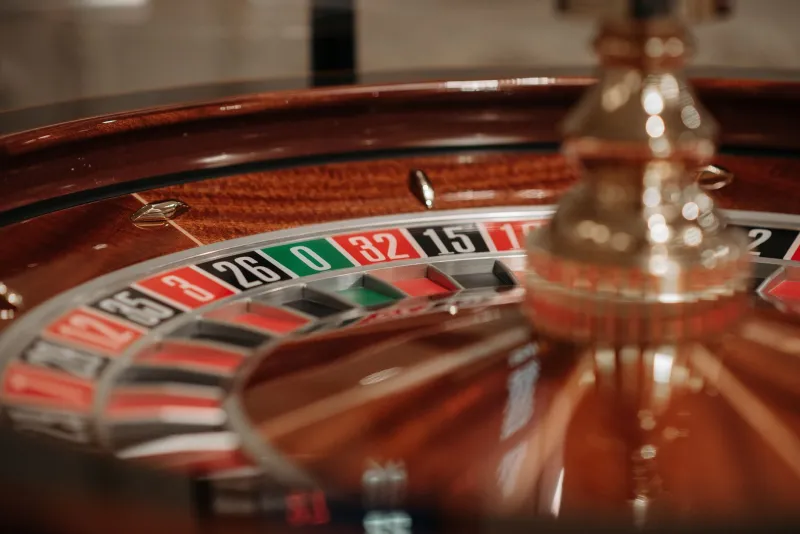
American roulette has 38 pockets (numbers 1–36, plus 0 and 00). European roulette has 37 (dropping the double zero). That single extra pocket on the American wheel raises the house edge from 2.7% to 5.26% — nearly double. If you're betting $25 a spin, that difference adds up to real money across a long session.
Pelikan's European roots mean European Roulette is the default, not the exception. That alone is reason enough for US players to pay attention.
The "Volatility" Factor People Forget to Ask About
RTP is only part of the equation. Volatility — sometimes called variance — describes how a game distributes its payouts. A high-volatility game might have a great RTP but pay out in rare, massive bursts, meaning you can run cold for a long time before hitting anything significant. Low-volatility games pay more frequently but in smaller amounts.
European developers tend to be more transparent about volatility ratings too, often publishing them alongside RTP figures. That gives you the information to actually choose games that match your bankroll and playing style — something that's much harder to do when you're flying blind on an American platform that doesn't share those numbers.
How to Use This Information at Pelikan
Knowing that European RTP standards are higher is useful. Knowing which specific games carry the best numbers is where it gets practical.
Before you drop into a game session, spend two minutes checking the RTP on the titles you're considering. Most European-built games display this in the paytable or info screen. Filter toward anything at 96% or above for slots. Stick to European Roulette over American Roulette whenever both are available. And in blackjack, confirm the payout on a natural before you sit down — 3:2 is the number you want to see.
None of this eliminates variance. You can still run badly on a 97% RTP slot. But over time, the math works in your favor more than it would on a platform built around American-market standards.
The Bottom Line
Casino games are entertainment — but they're also math. The platforms and developers you choose determine which version of that math you're playing against. Pelikan Casino's European game foundation isn't just an aesthetic choice or a nod to international flavor. It's a structural advantage that shows up in payback percentages, rule sets, and the transparency that lets you make genuinely informed decisions.
For US players used to walking past rows of machines with no idea what they're actually playing, that kind of clarity is worth a lot more than it might seem at first glance.