Karty, Kości i Kod: How Poland's Deep Gaming Roots Are Quietly Reshaping Online Casinos
When most Americans think about gambling culture, their mental image probably involves neon lights on the Las Vegas Strip, Atlantic City boardwalks, or maybe a riverboat casino drifting down the Mississippi. Poland doesn't exactly come to mind. But here's the thing: Central European gaming culture — Polish gaming culture in particular — has a history that predates Vegas by several centuries, and its influence on how modern online casinos are built is more significant than most players realize.
At Pelikan Casino, our Polish identity isn't just a branding choice. It's a lens through which we approach game selection, platform design, and the overall relationship between a casino and its players. Let me explain why that matters, especially if you're an American player looking for something a little different from the usual.
The Szlachta Gambled Too: A Brief History of Polish Gaming
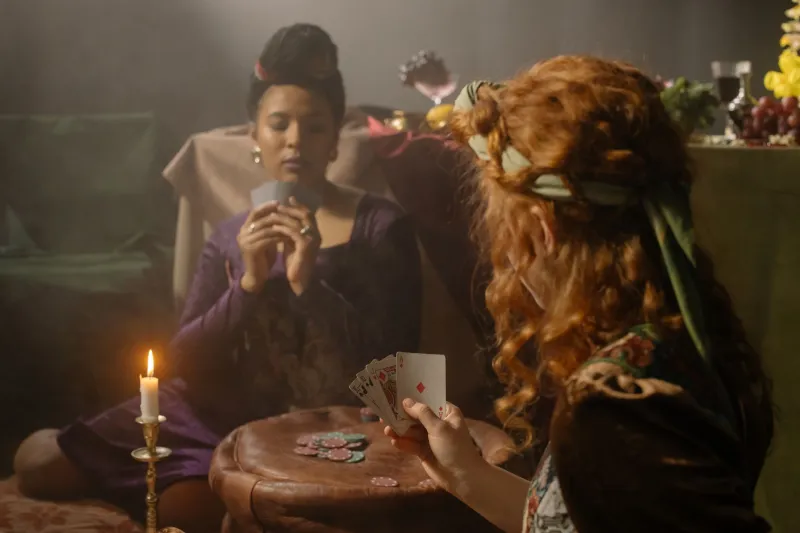
Poland's relationship with games of chance stretches back to at least the 16th century, when the szlachta — the Polish nobility — were enthusiastic card players. Card games like Oczko (literally "little eye," Poland's version of blackjack, where 21 is the magic number) were staples of aristocratic social life. These weren't just idle pastimes. They were social rituals, negotiations, and status displays wrapped in a game.
The city of Kraków, one of Poland's most storied cultural capitals, had organized gambling houses operating as far back as the Renaissance period. By the 18th century, gaming had become deeply woven into Polish social fabric across class lines — from noble estates to tavern tables where ordinary people played Tysiąc (Thousand), a trick-taking card game still popular today.
What's interesting about this history is that Polish gaming culture developed with a strong social and intellectual dimension. Games weren't purely about money — they were about wit, reading your opponents, and managing risk. That ethos survived through centuries of political upheaval, including the partitions of Poland and the communist era, when gambling was heavily restricted but card games thrived underground as a form of social resistance.
What the Communist Era Did to Polish Gaming Psychology
Here's where it gets genuinely fascinating. During the communist period (roughly 1945-1989), state-sanctioned gambling was tightly controlled. State lotteries existed — the Totalizator Sportowy, Poland's national lottery, was founded in 1956 — but casino-style gambling was largely suppressed.
The effect? Poles became extraordinarily creative about recreational gaming within legal limits. Card games, strategy games, and informal betting on everything from chess matches to soccer outcomes flourished. This cultivated a gaming culture that valued cleverness over brute-force wagering, strategy over luck-chasing.
When communism fell and Poland's economy opened up, Polish players entered the broader European gaming market with a distinct sensibility: they wanted games with depth, fairness, and intellectual engagement — not just flashing lights and empty jackpot promises.
How That Heritage Shows Up in Modern Online Casino Design
This is where things connect to platforms like Pelikan Casino in a direct, practical way.
Polish-influenced gaming platforms tend to emphasize a few things that American players often find refreshing:
Transparency in odds and mechanics. Polish gaming culture's historical emphasis on skill and strategy translates into a preference for clear, honest game information. Players want to understand what they're playing, not just pull a lever and hope.
Diverse game libraries that reward different skills. Rather than loading up on hundreds of near-identical slots, platforms with a Polish sensibility tend to curate — prioritizing variety in game type, including card games, table games, and live dealer options that reward strategic thinking.
Community and social elements. The social roots of Polish gaming — those card tables in noble estates and communist-era living rooms — show up in the value placed on live dealer experiences, multiplayer formats, and interactive features that make gaming feel like an event rather than a solitary transaction.
What This Means for American Players
The US online gaming market is booming, and that's genuinely exciting. But it's also becoming crowded with platforms that look and feel nearly identical — same slot mechanics, same bonus structures, same generic aesthetic. For players who want something with a different flavor and a different philosophy, platforms rooted in European gaming traditions offer a real alternative.
Pelikan Casino brings that Central European perspective to the table without making it feel like a cultural museum exhibit. The Polish gaming DNA shows up in practical ways: a thoughtfully curated game selection, a player-first approach to transparency, and an aesthetic that feels distinctly different from the Vegas-by-default look of most American platforms.
Opinion: Heritage Is a Feature, Not Just a Story
I'll be direct here: a lot of online casinos lean on their backstory as pure marketing. "We're different because of where we come from." But heritage only matters if it actually shapes what you build.
In Pelikan Casino's case, the Polish gaming tradition isn't just a story to tell — it's a set of values that inform real decisions about how the platform works, what games get featured, and how players are treated. The emphasis on strategy, transparency, and social engagement isn't accidental. It comes from somewhere.
For American players used to a certain kind of online gaming experience, that difference is worth exploring. Sometimes the most interesting things on the menu are the ones you didn't already know you wanted.